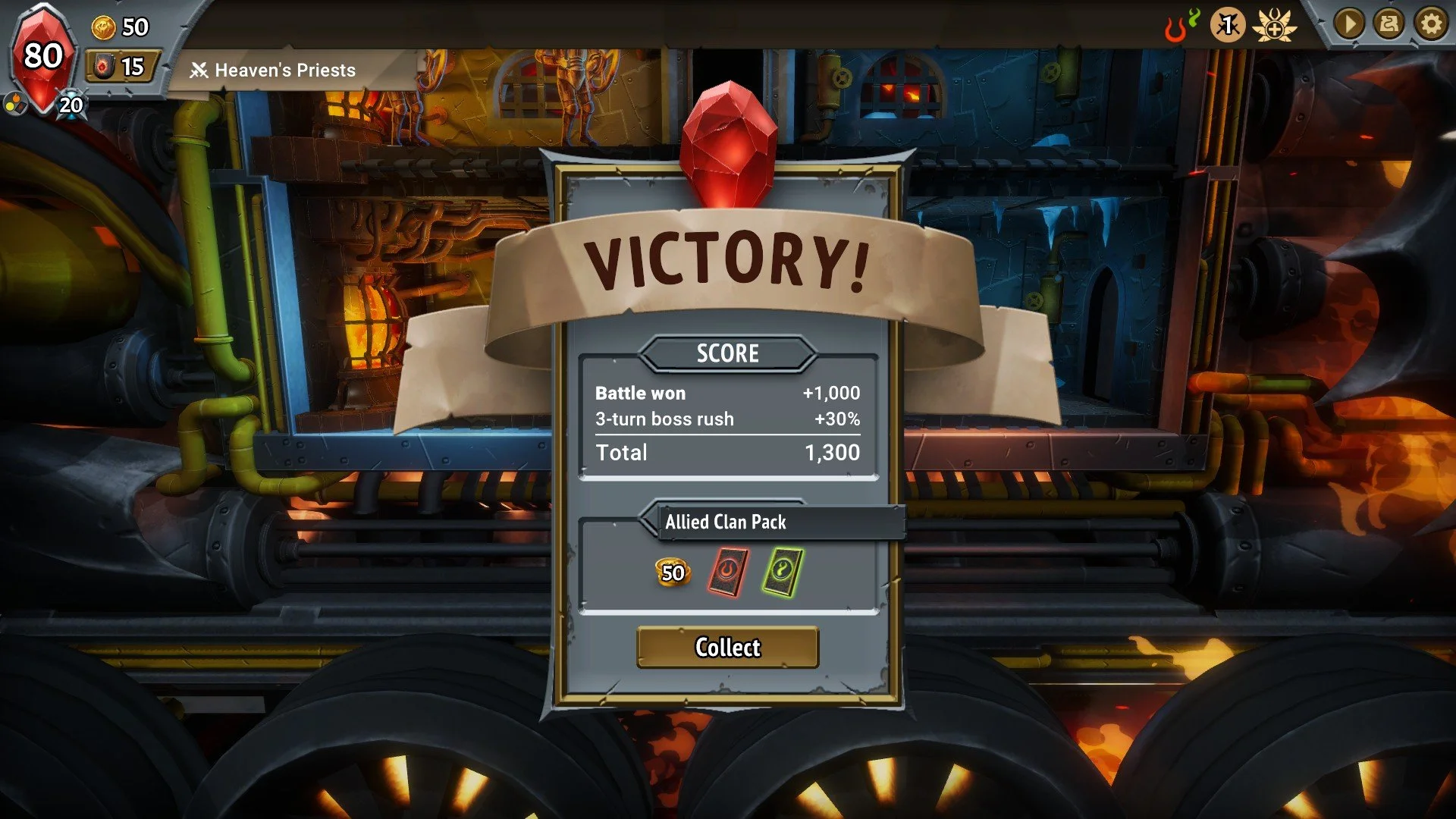
Monster Train is the platonic ideal of the deck building roguelike. Everything is in here; you have a starting deck of creature and spell cards that you use to fight as you make choices in the various branching paths of the map until you reach the boss at the end, all the while adding, removing and improving your cards with a wide array of modifiers and effects. Then, no matter if you won or lost, you gain some progression to unlock different factions, more cards, and more challenges for your next run. I had a good time with Monster Train, but much like my experiences with most roguelikes, once I had a run that went really well and got to the end, I was satisfied, but that’s entirely a “me” thing!
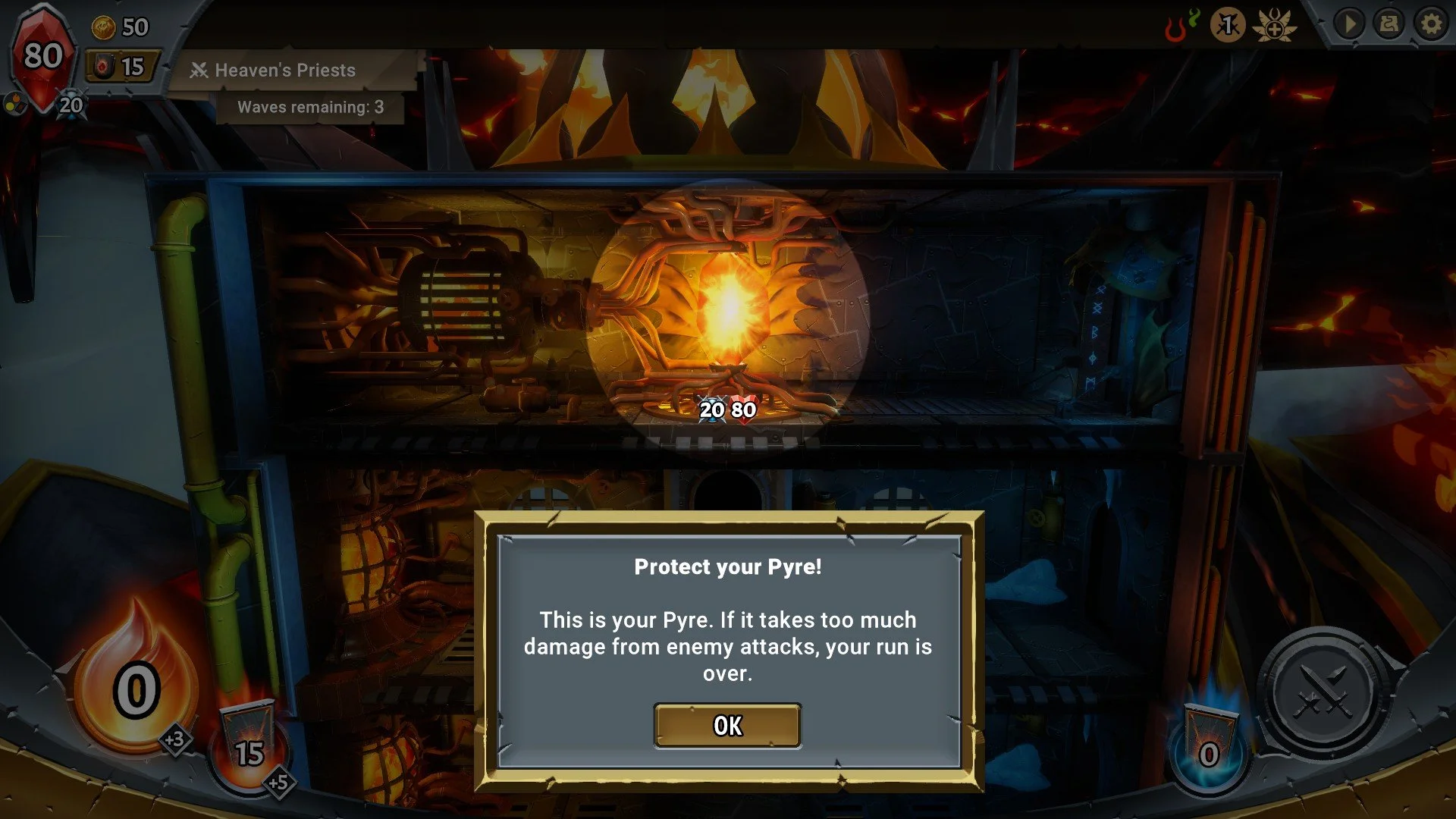
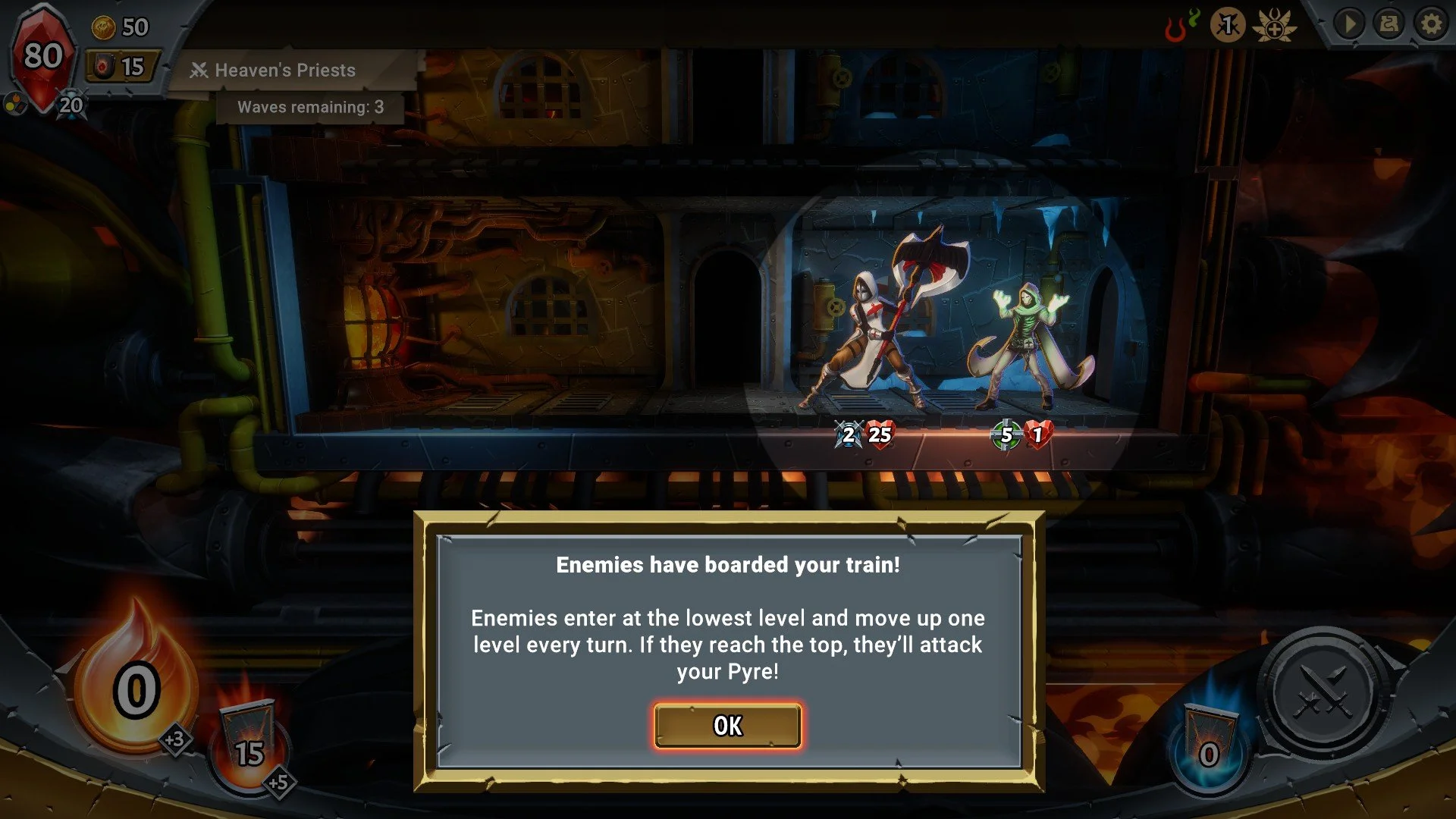
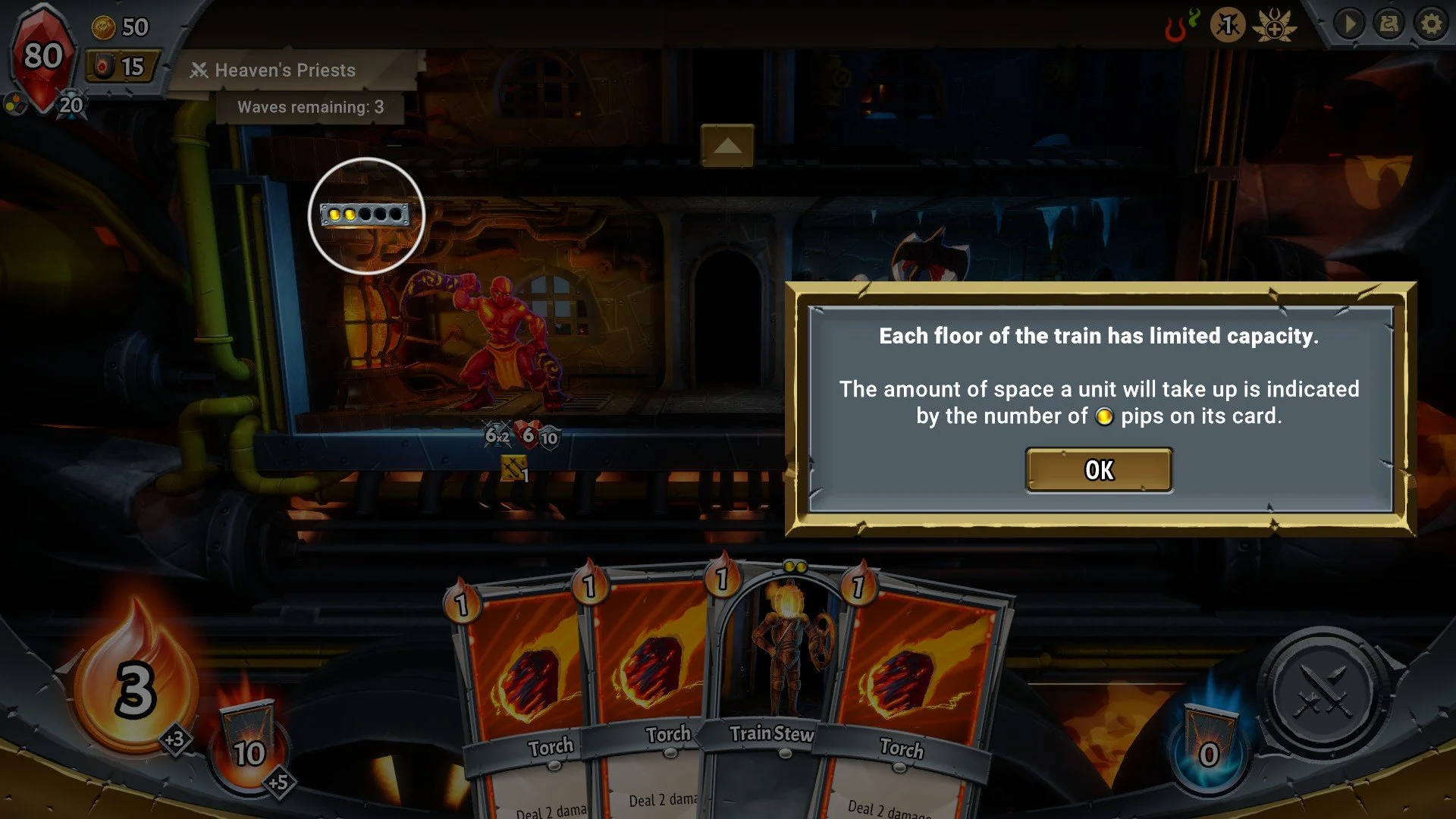
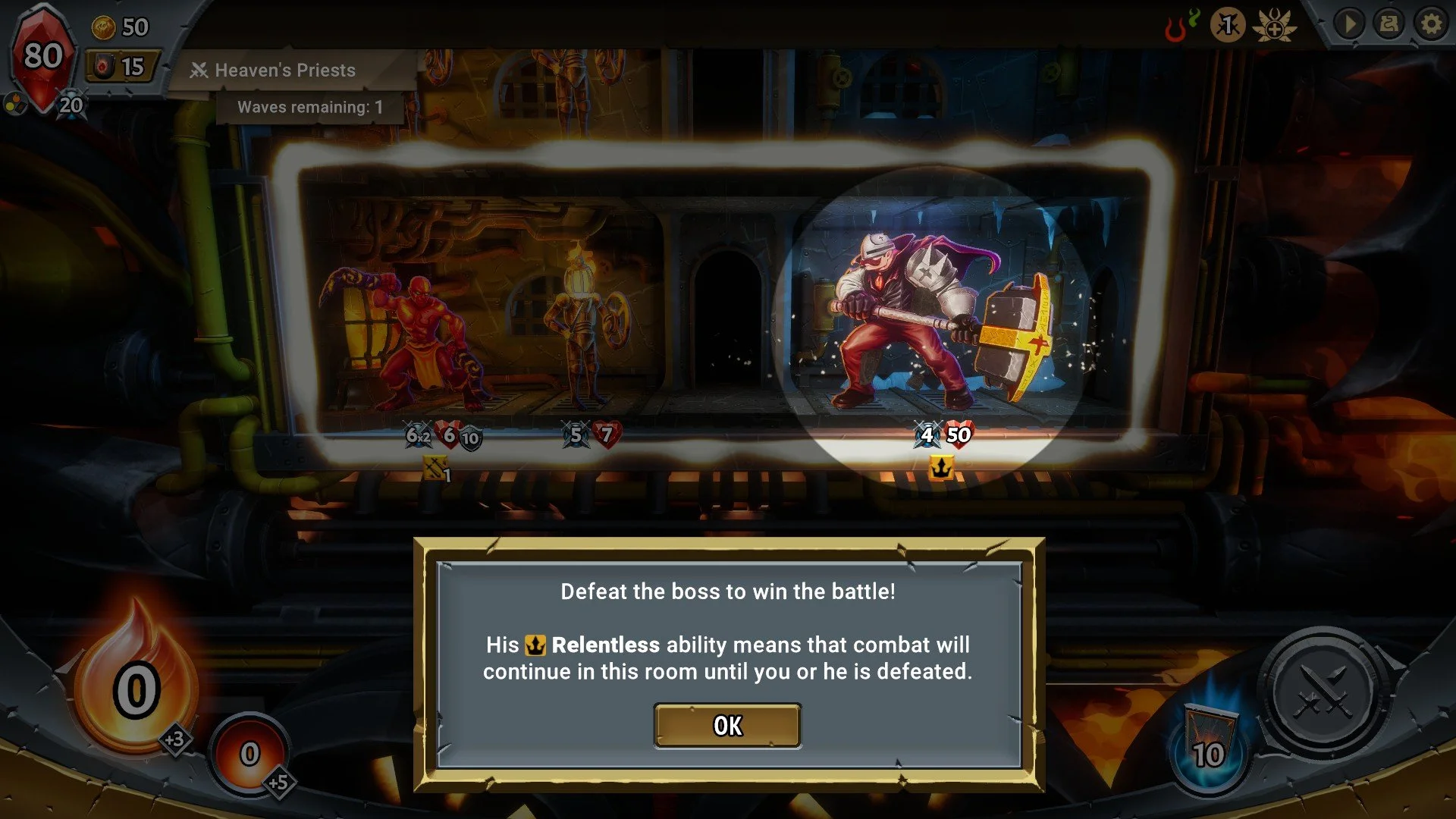
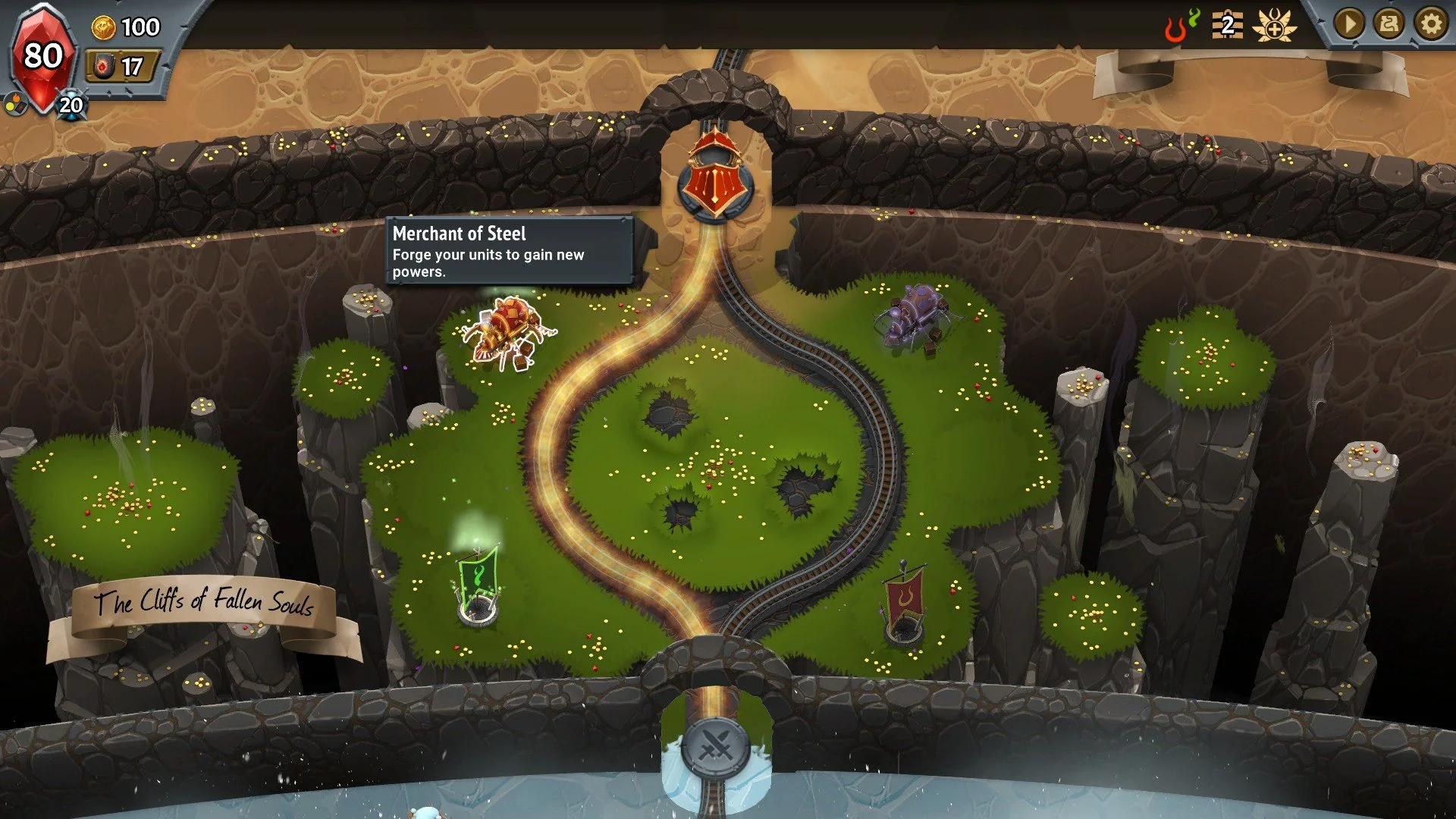
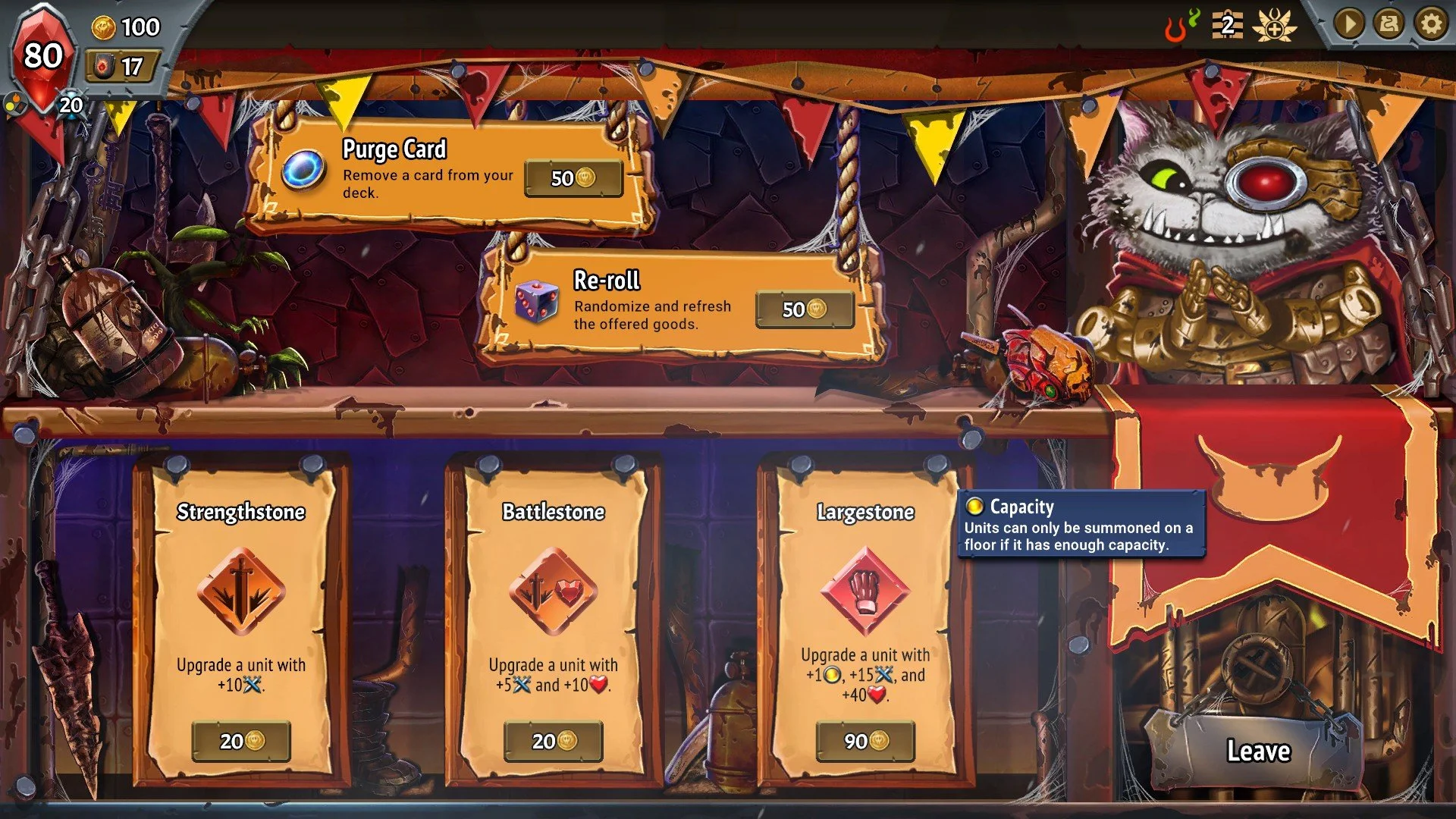
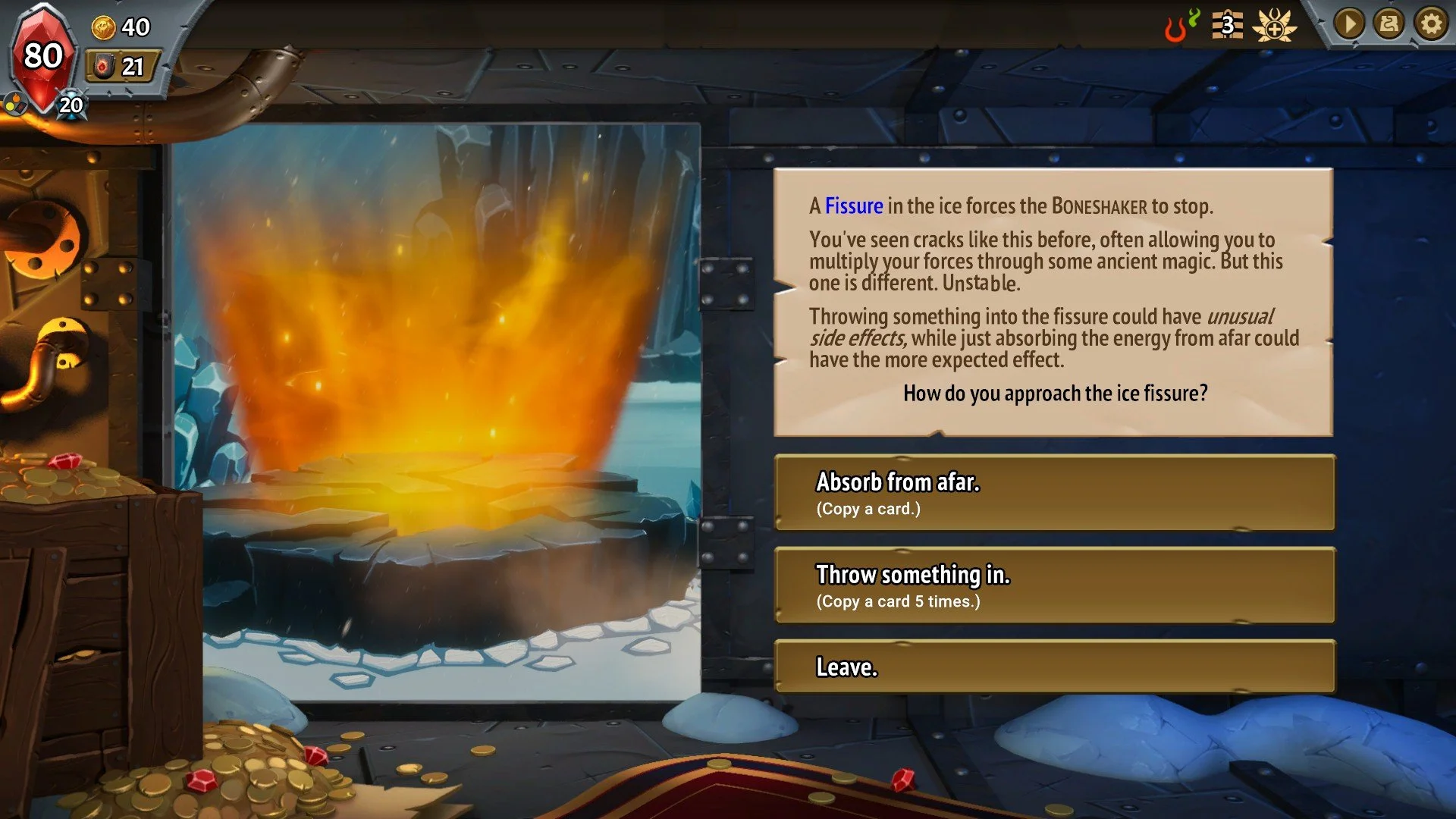
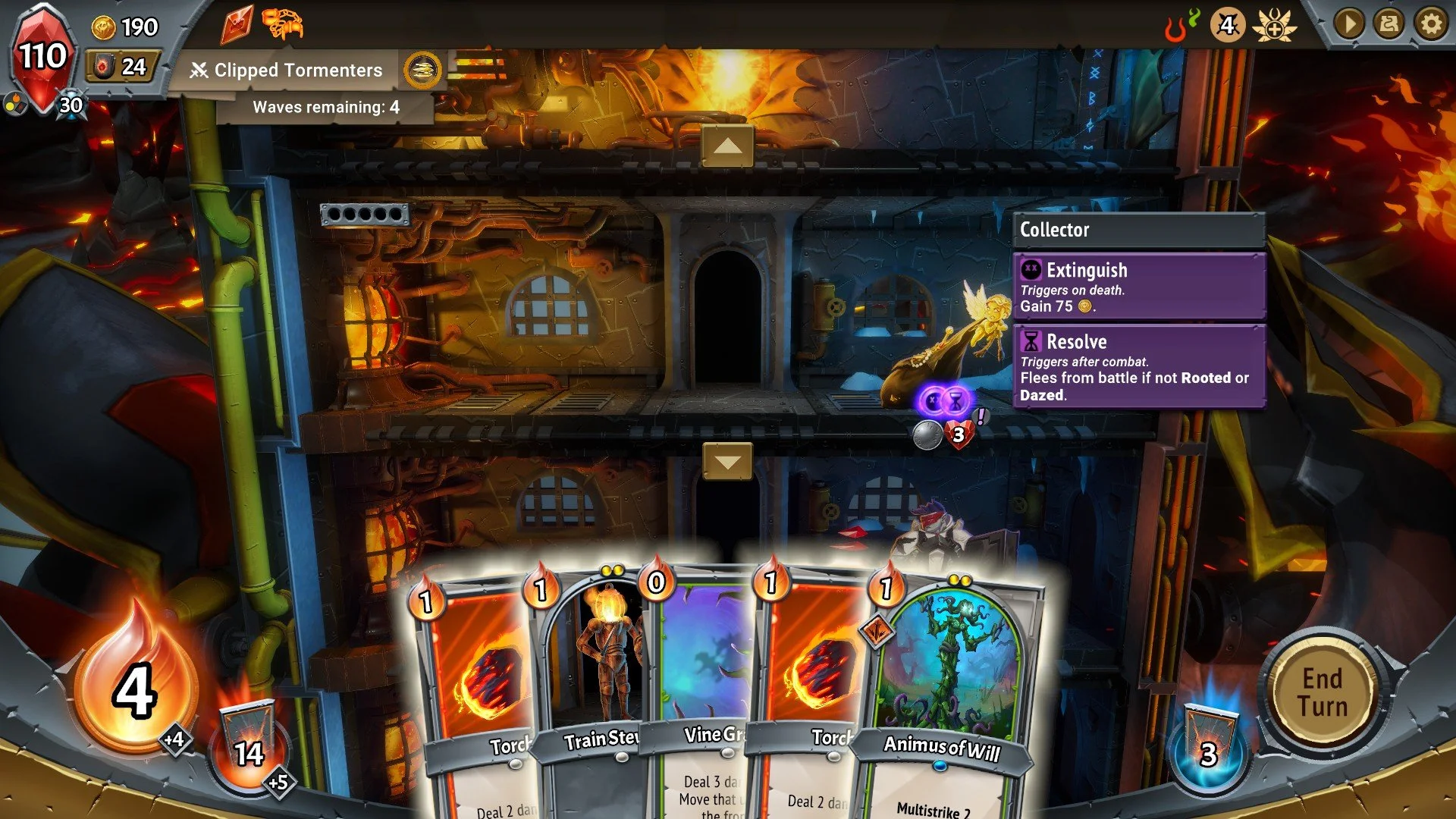
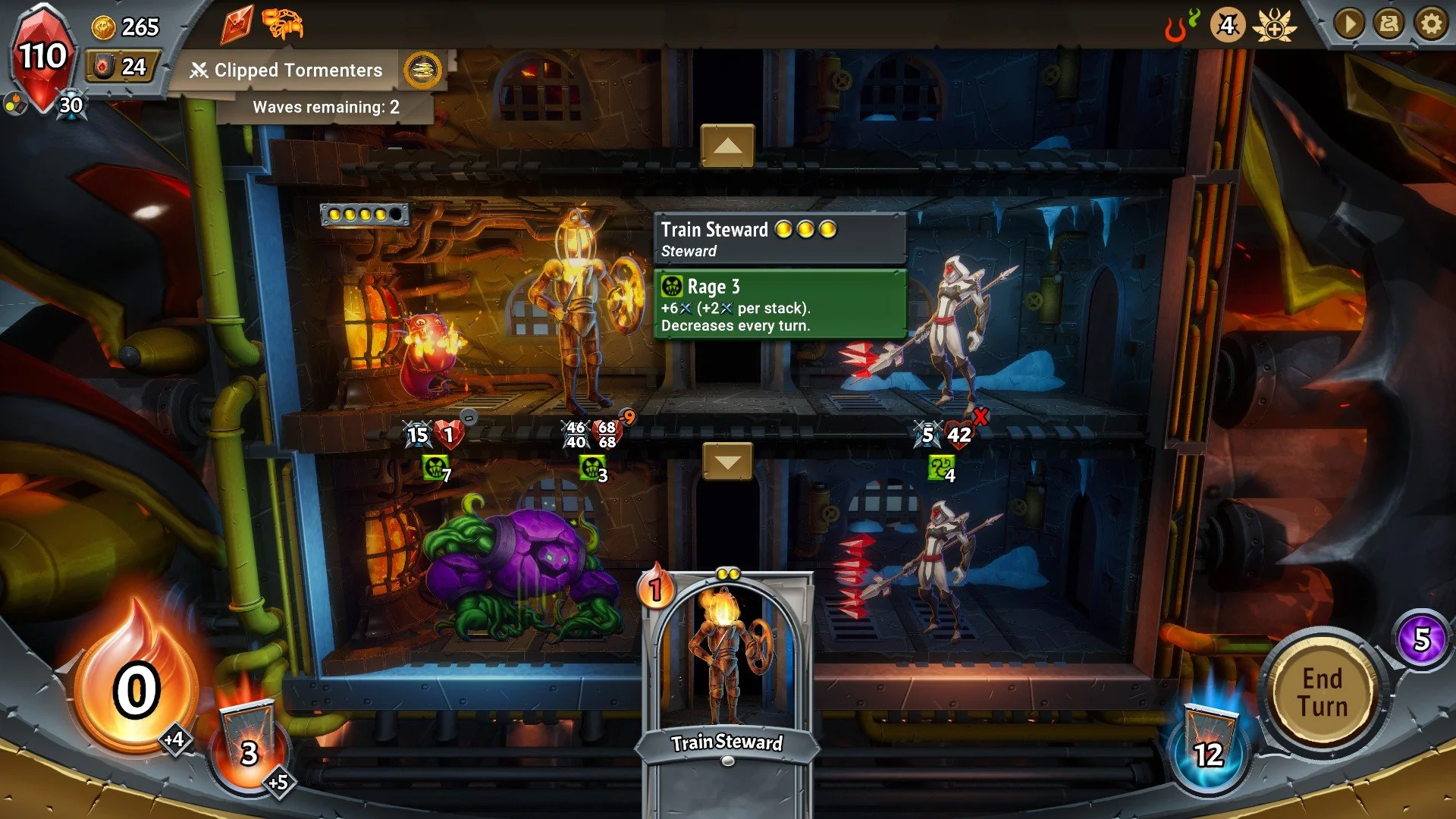
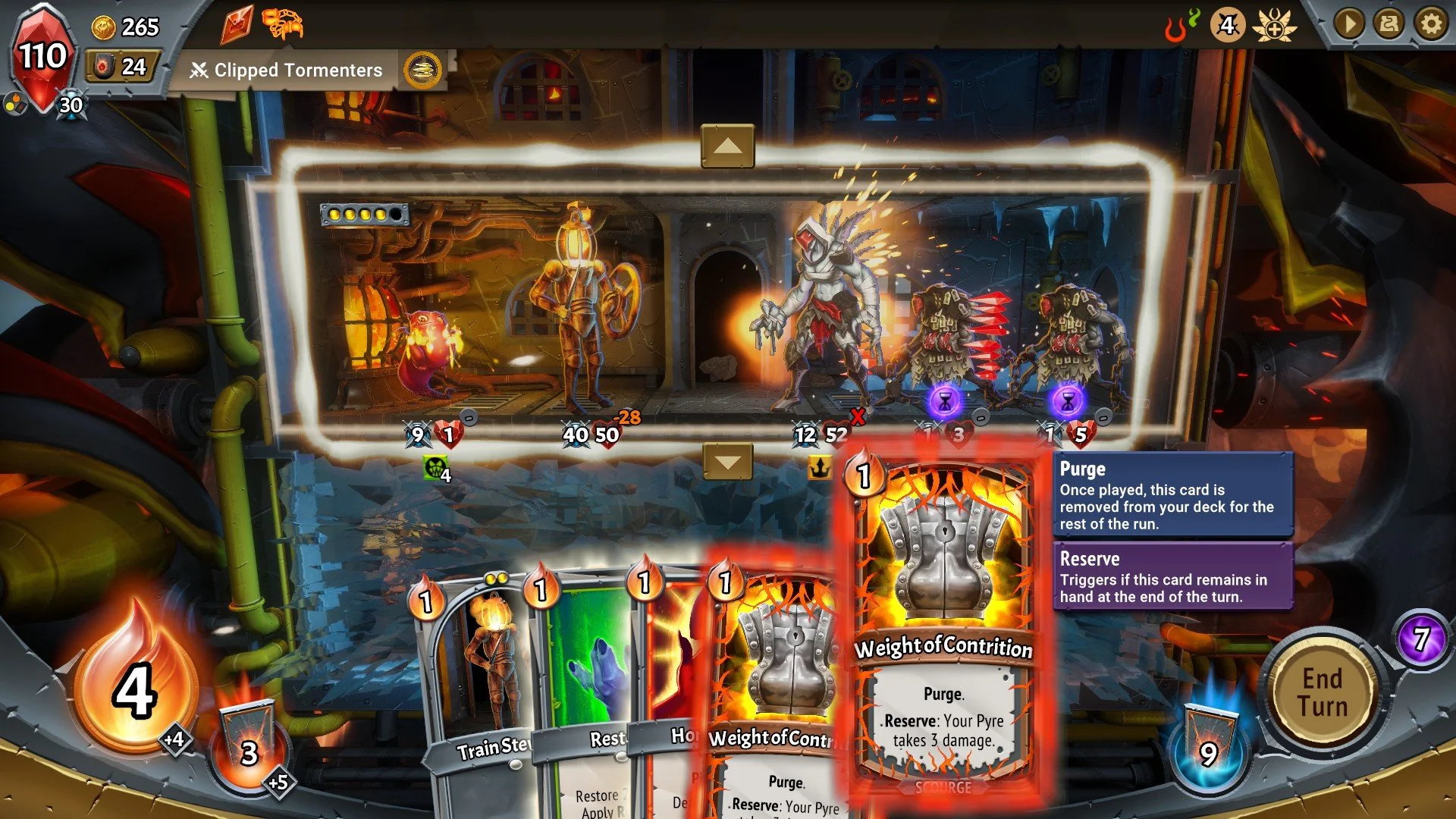
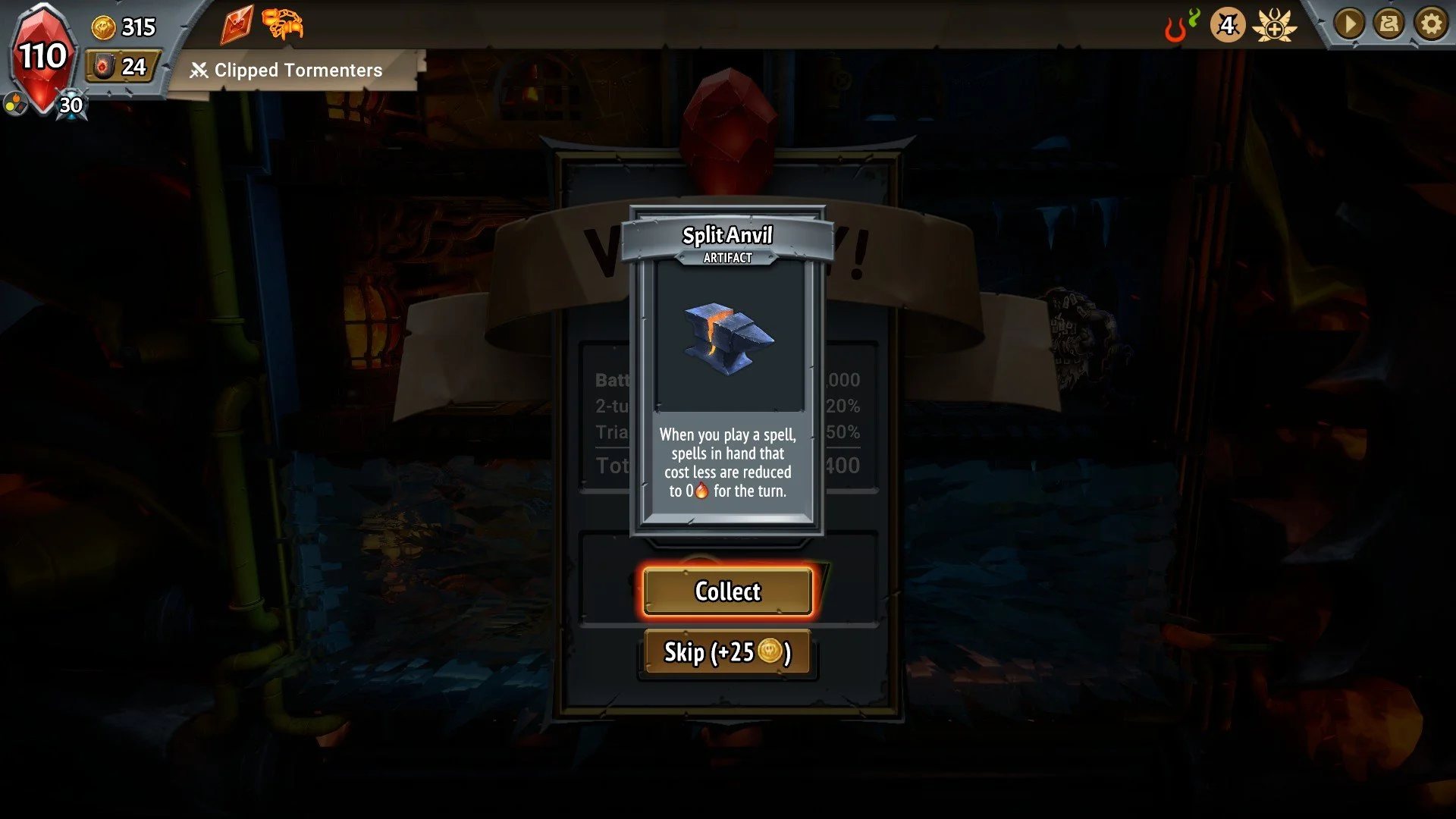
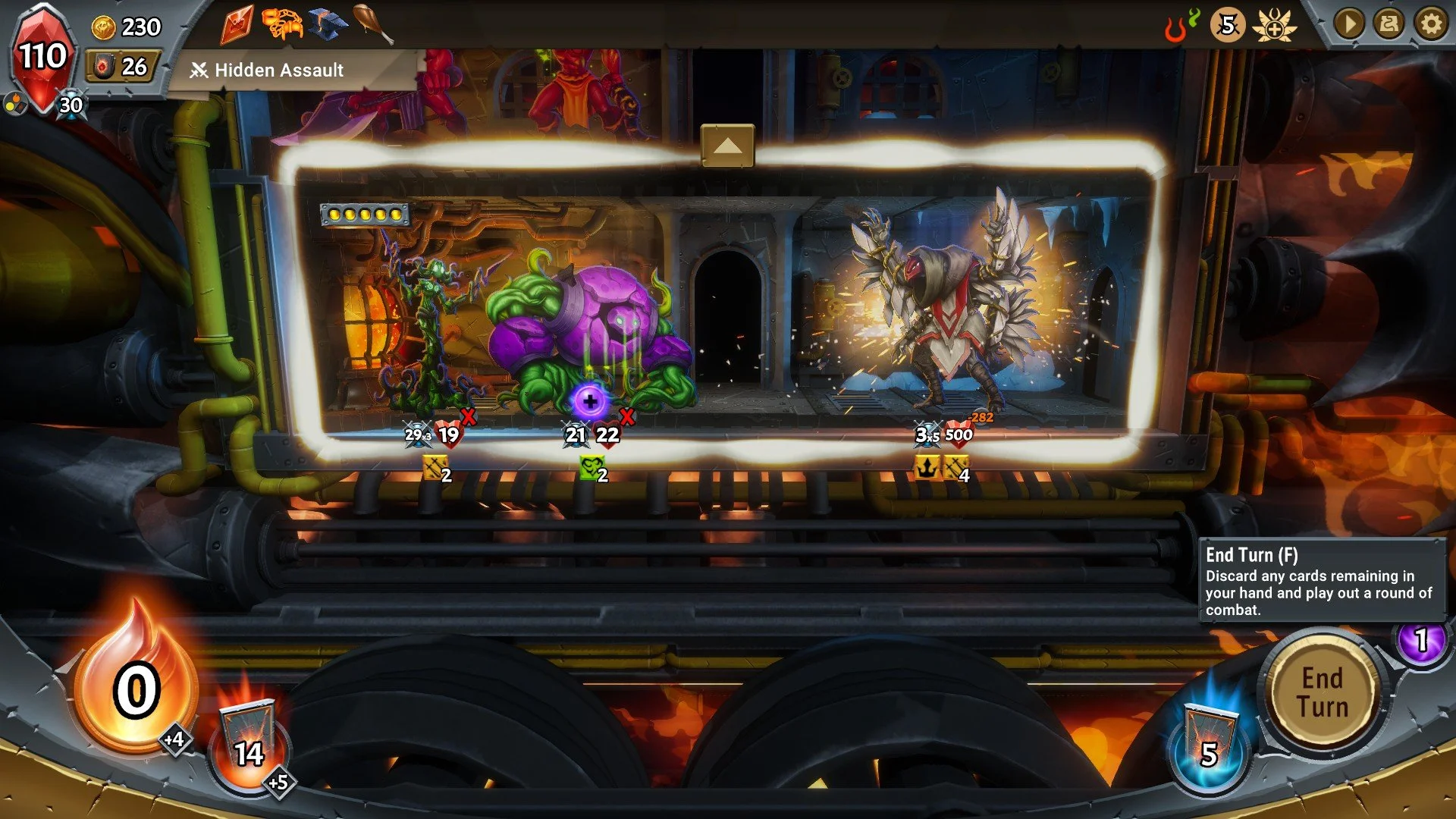
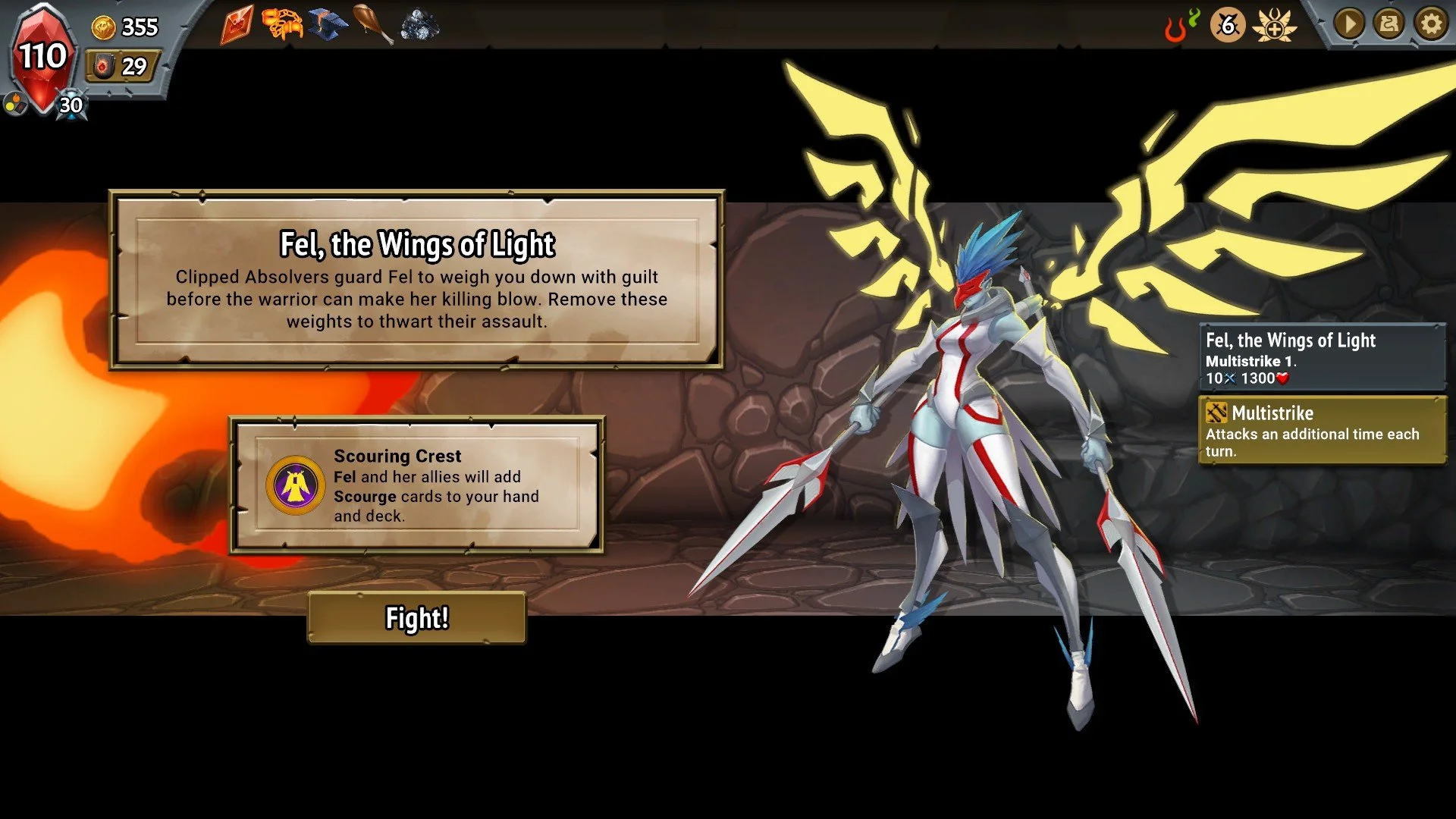
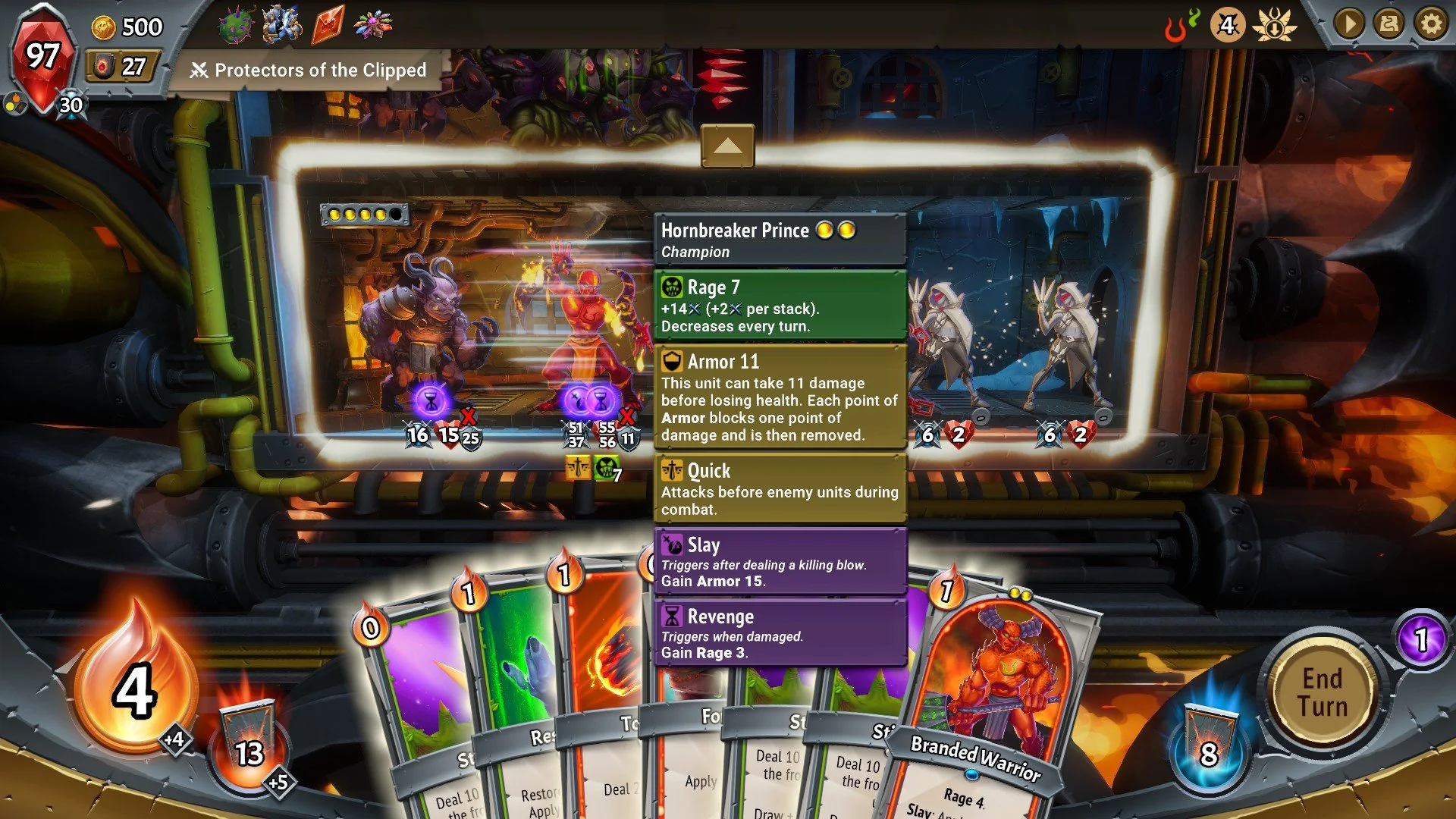
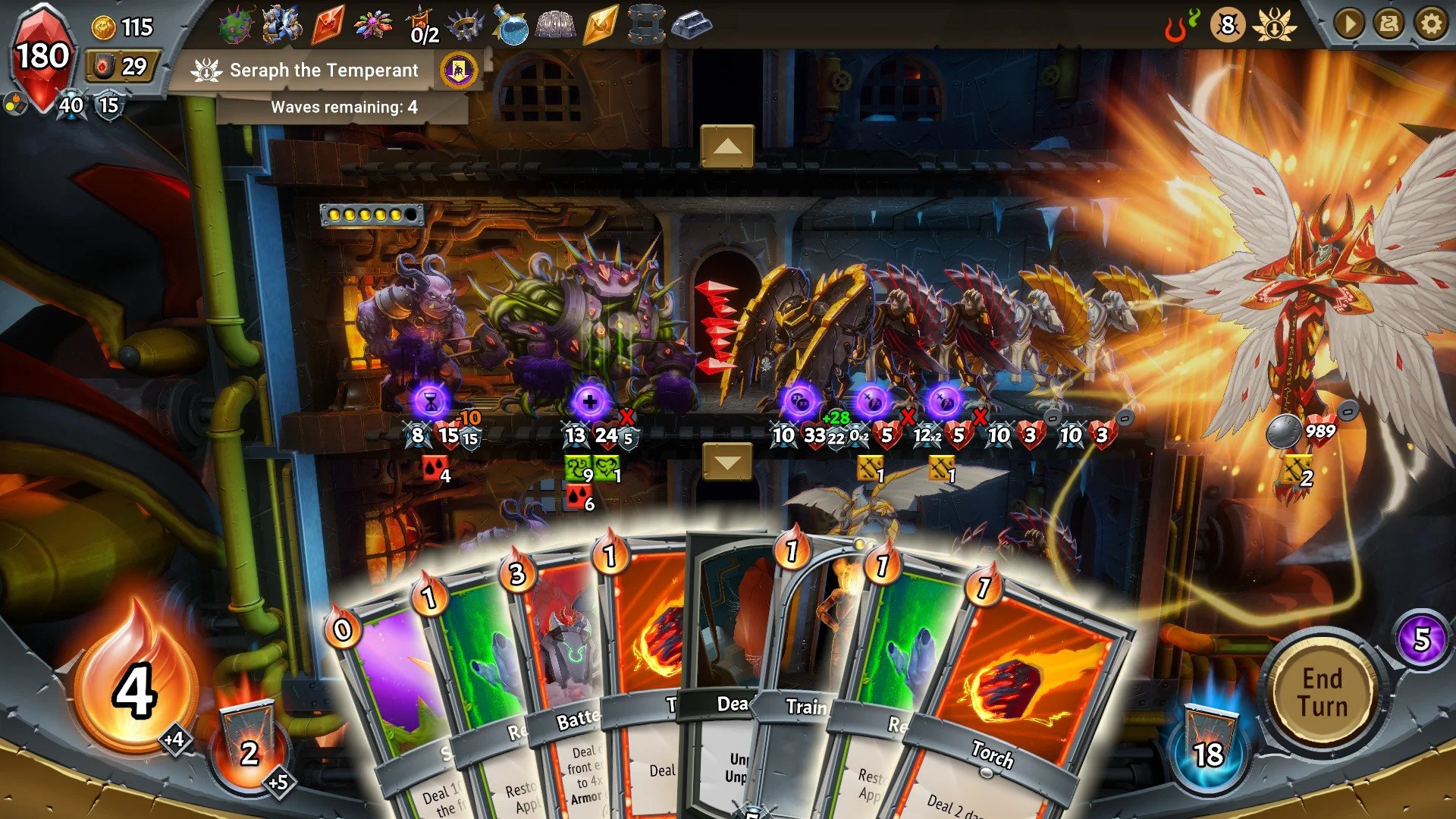
The core concept of the game (and its namesake) revolves around a train that you ride through hell, with multiple floors and a core (the Pyre) at the top. Enemies usually get into the train from the bottom, and you place units on the various floors (each has a capacity) to try and defeat them before they move to the next floor. Once at the Pyre, they’ll trade blows with it until either the enemies are defeated or the Pyre is destroyed. Your train will move through branching paths where you’ll usually make choices about upgrading your units OR your spells, going to a merchant OR getting a random artifact, things of that nature. You’ll then fight bosses, powerful enemies with special abilities (planting bombs, buffing enemies, weakening your units) that will fight your units to the death before getting to the upper floors of the train.
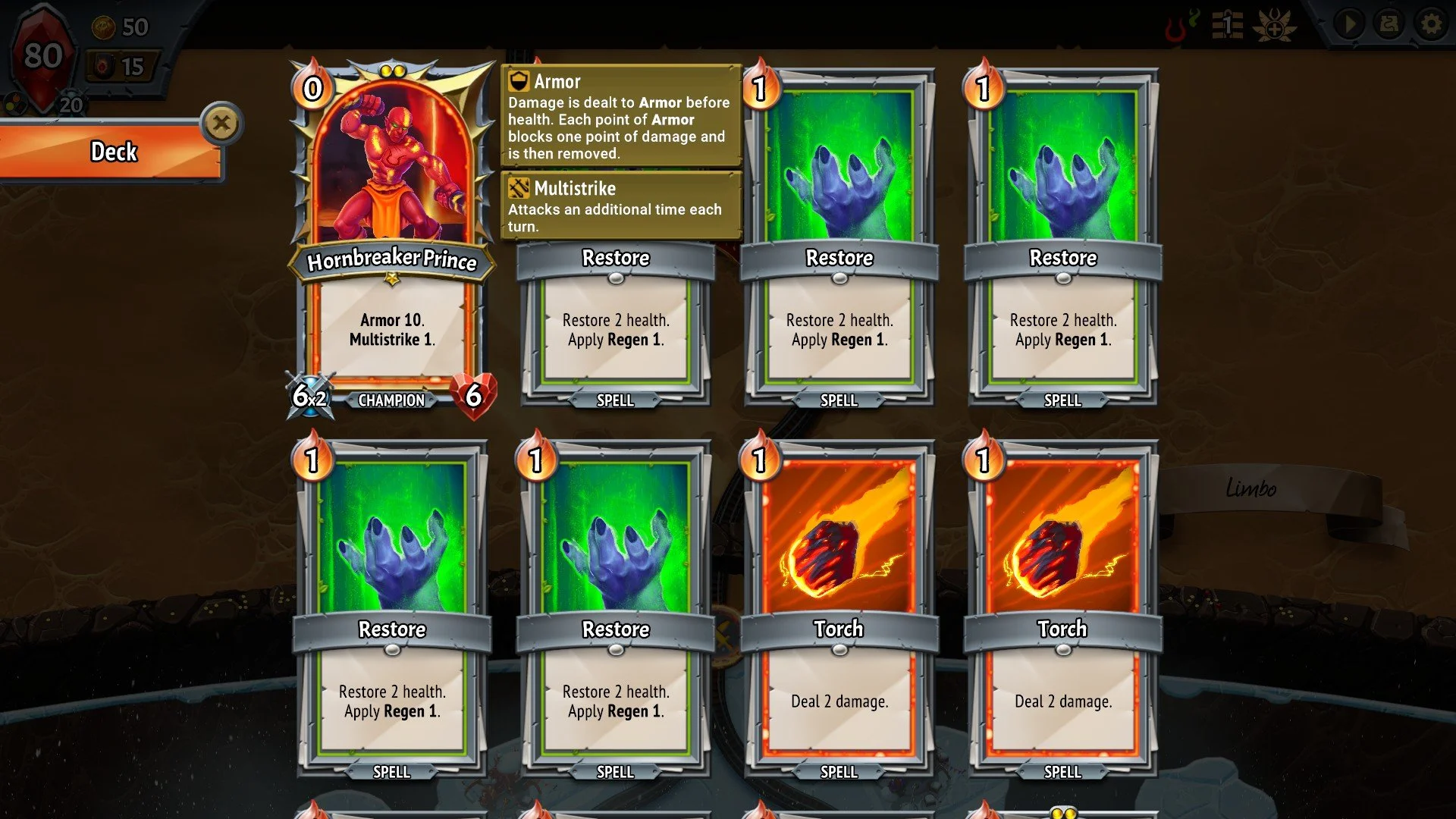
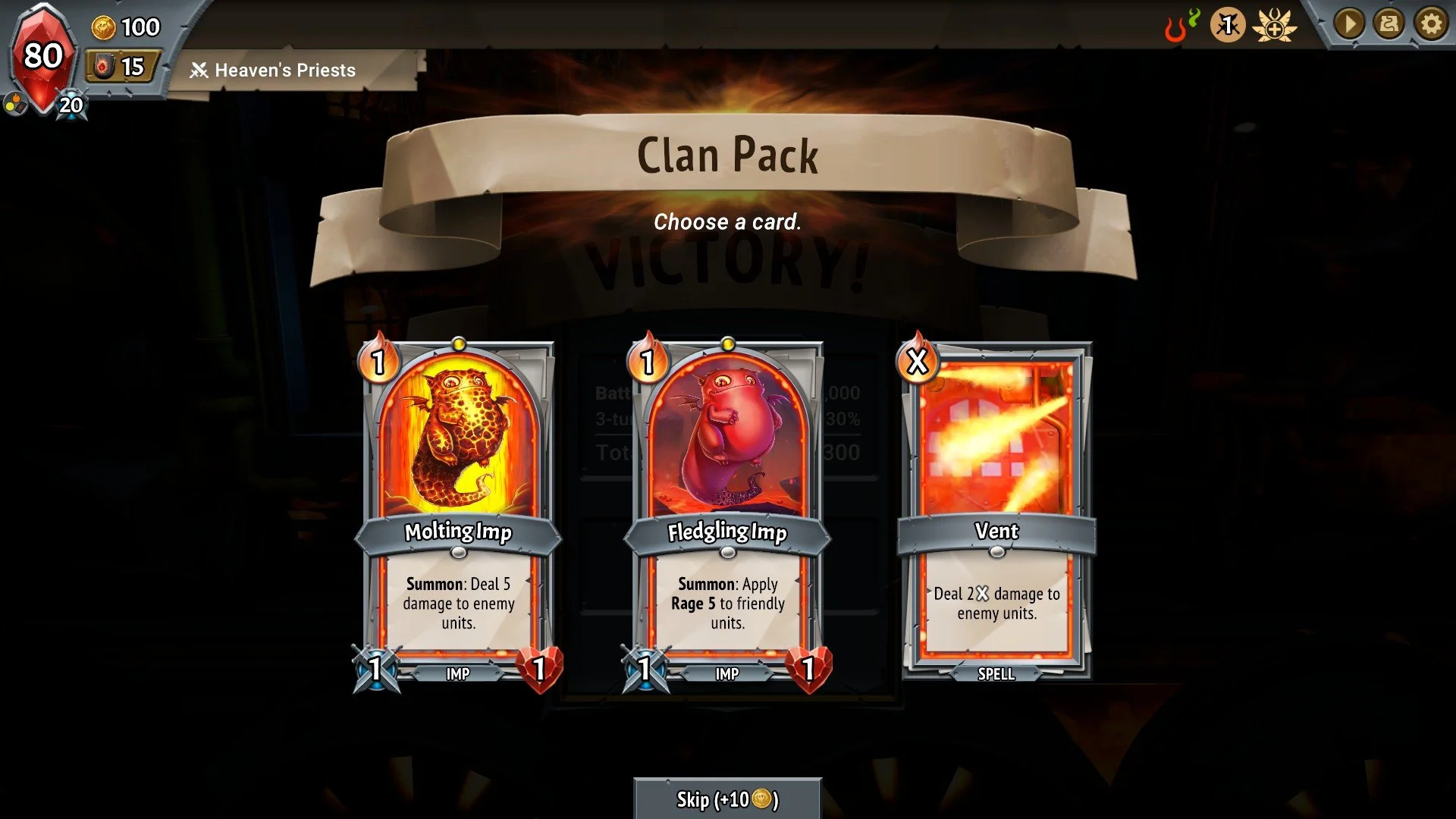
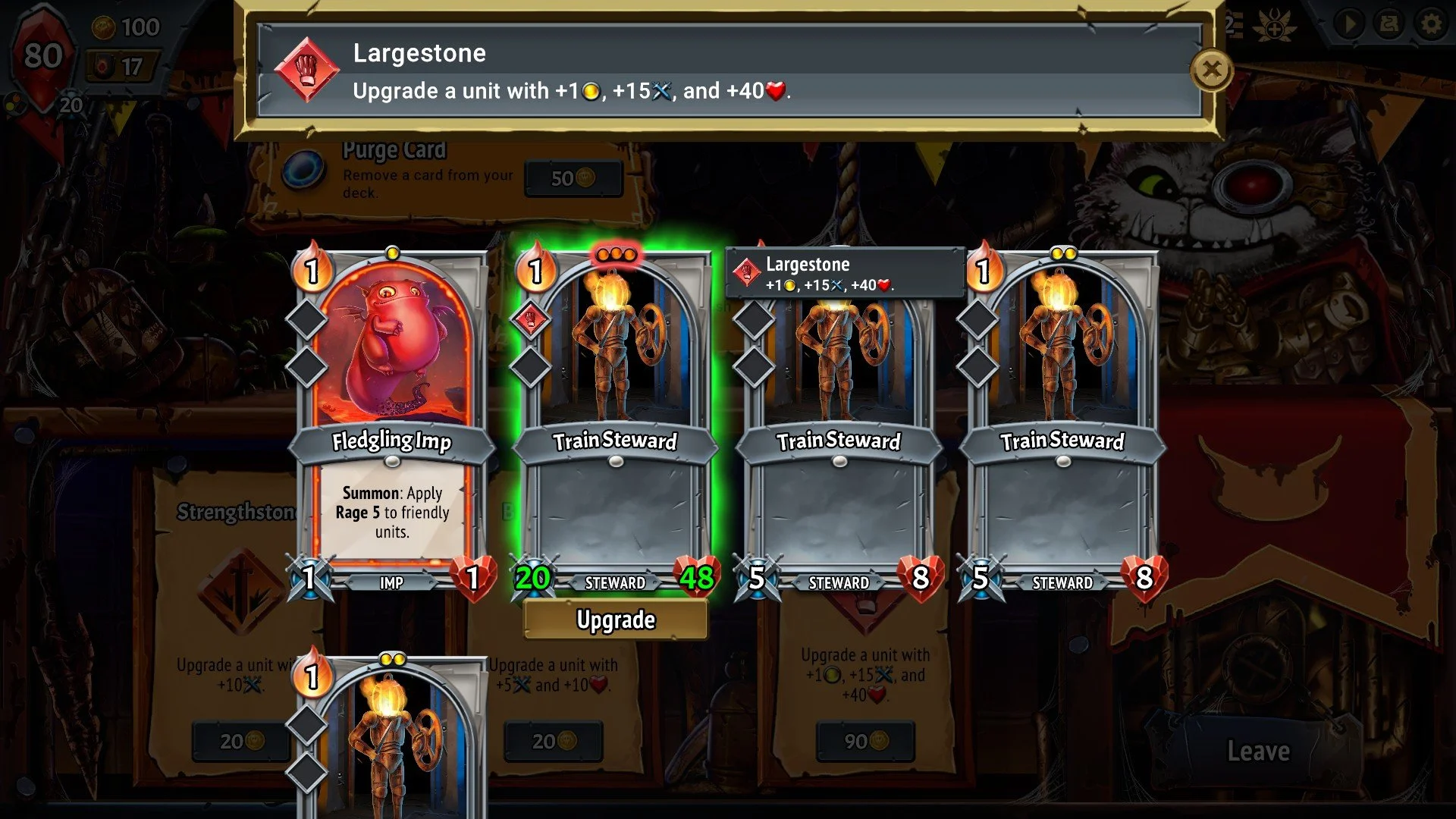
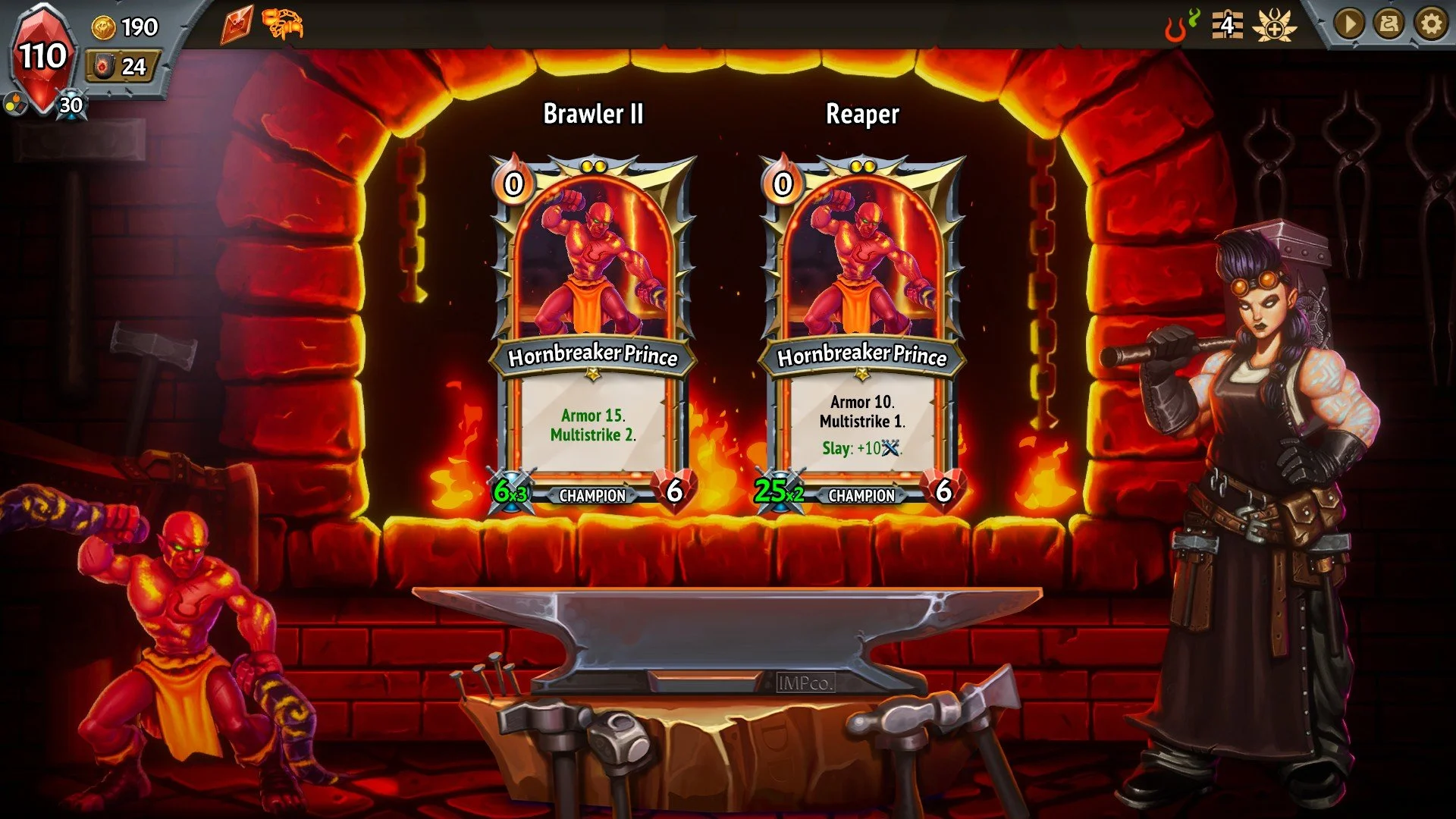
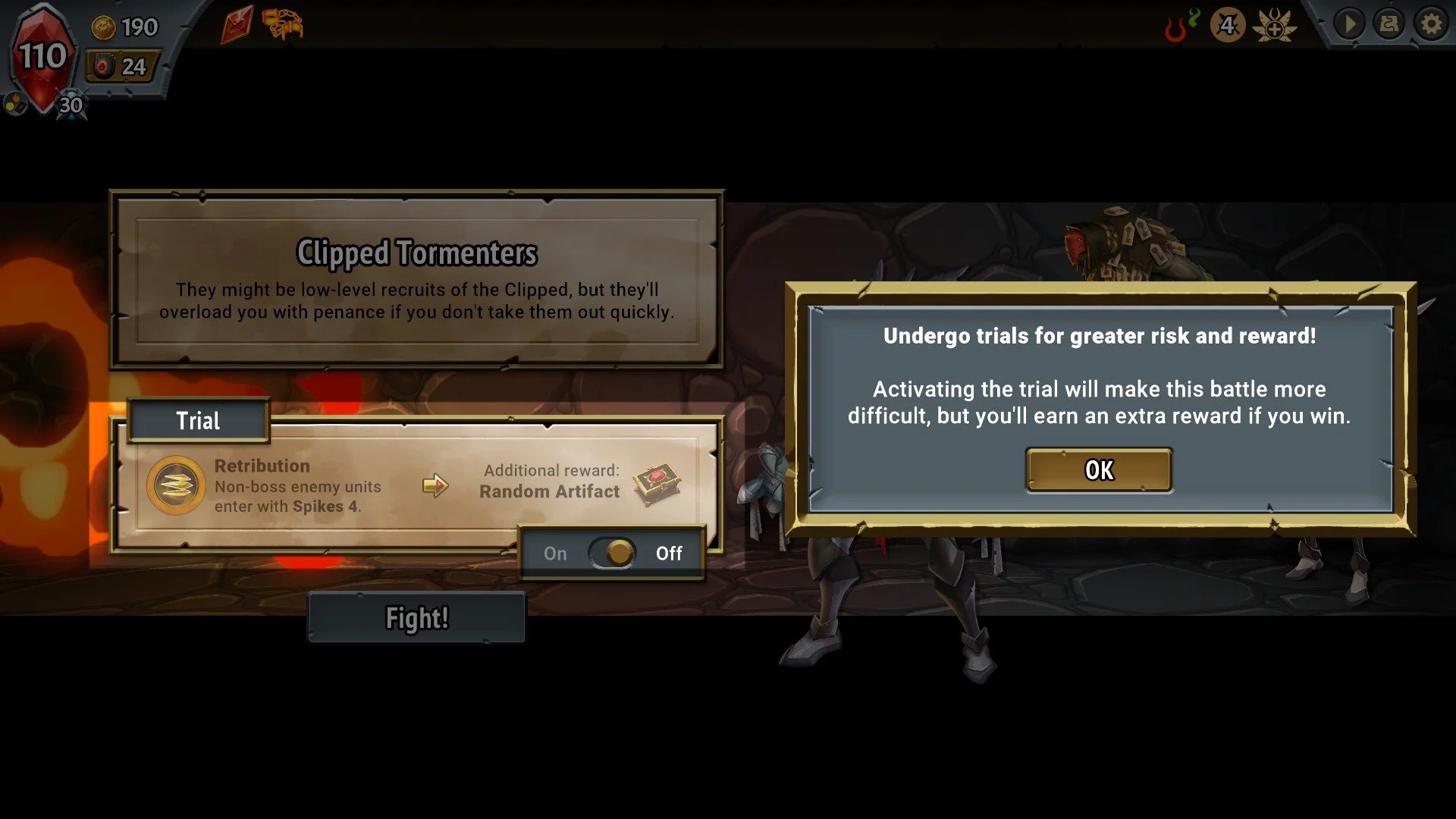
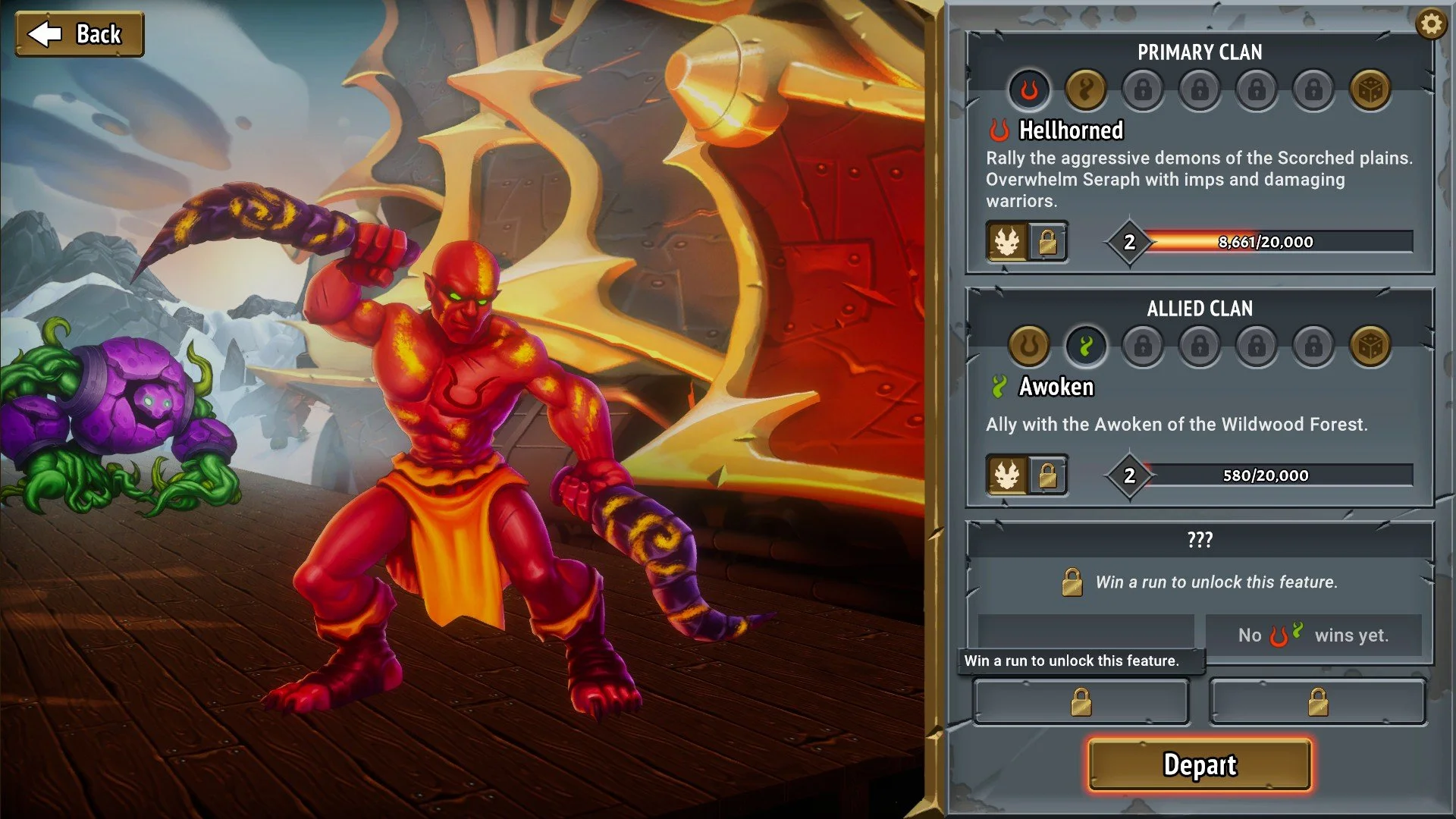
Spells, creatures and enemies follow the logic of most deck builders I remember playing; abilities like being able to attack multiple times, armor, health recovery, effects done when you summon creatures, etc. Some ‘hero’ units have more involved upgrade trees and you’re ultimately building them into an archetype (focusing on damage, retaliation, armor, etc.), which is pretty fun. There are multiple factions, with their own heroes and basic spell and unit cards, so you can have variety during your runs, and you can mix and match them. Enemies can also gain modifiers if you want them to, in order to gain bigger bonuses. The enemies have varied effects as well, sometimes they add negative cards to your deck, sometimes the first enemy in the row will be heavily armored with healers behind, etc. so the challenge level is pretty good, but the combat forecast is also really helpful.
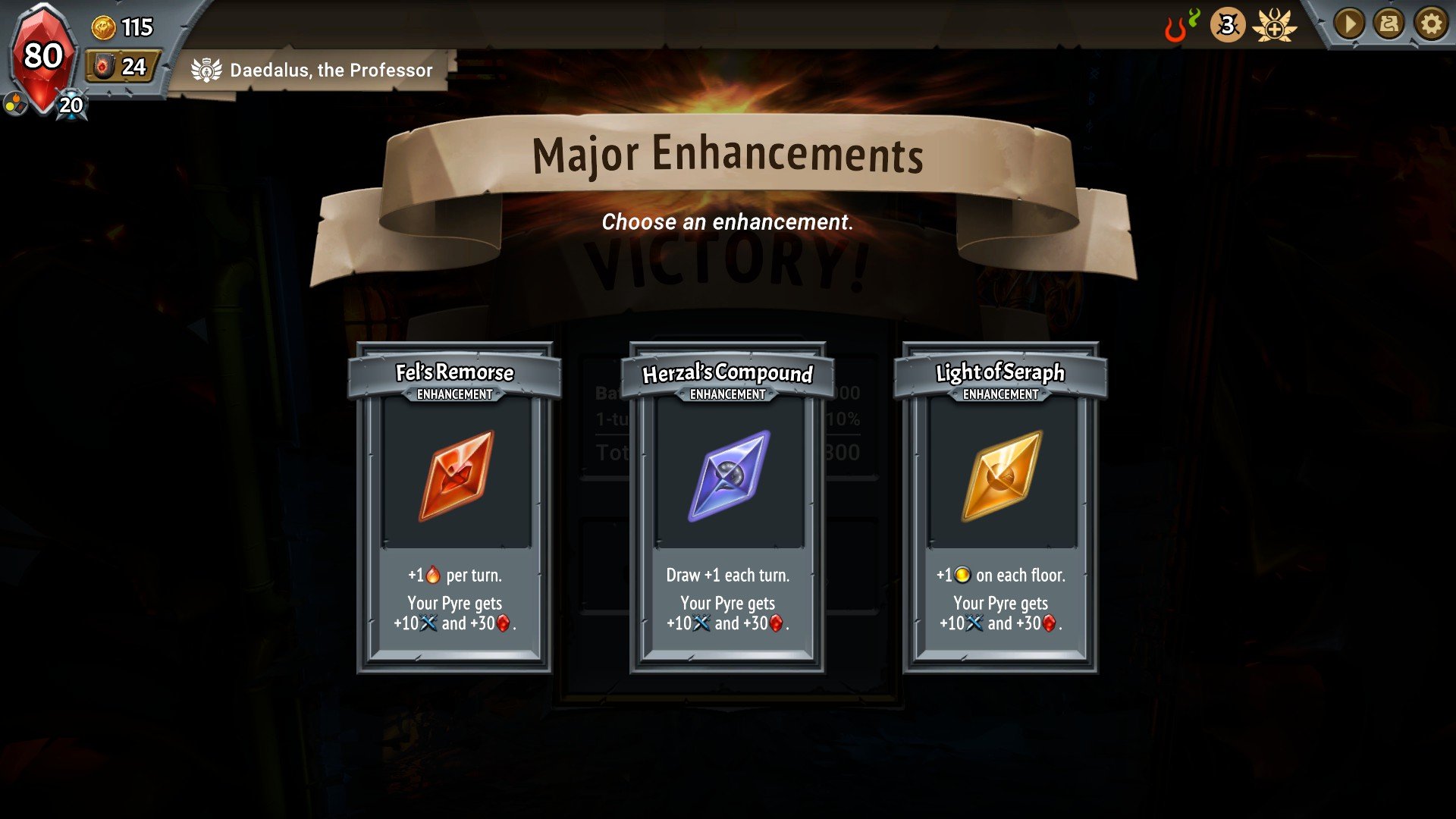
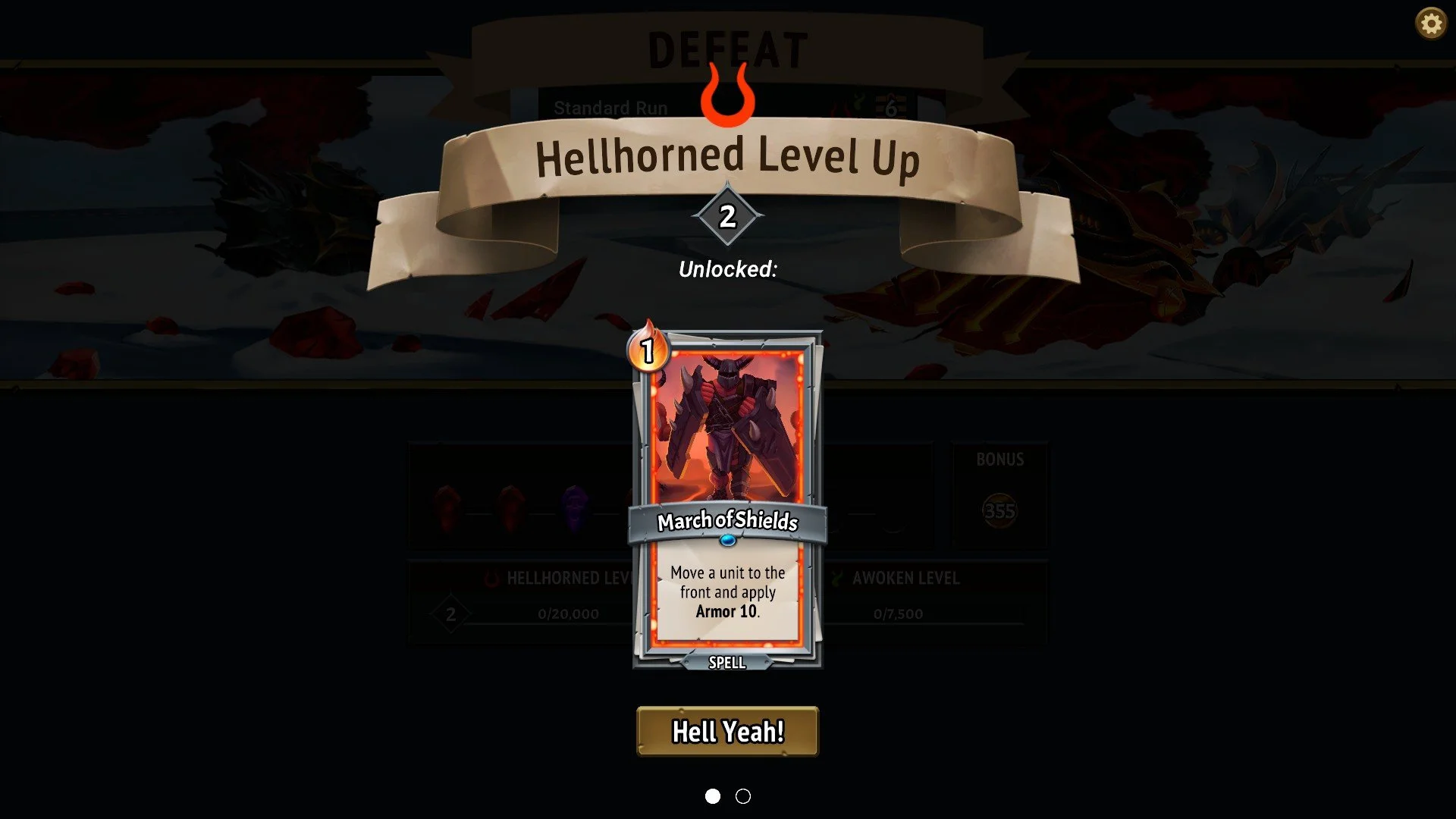
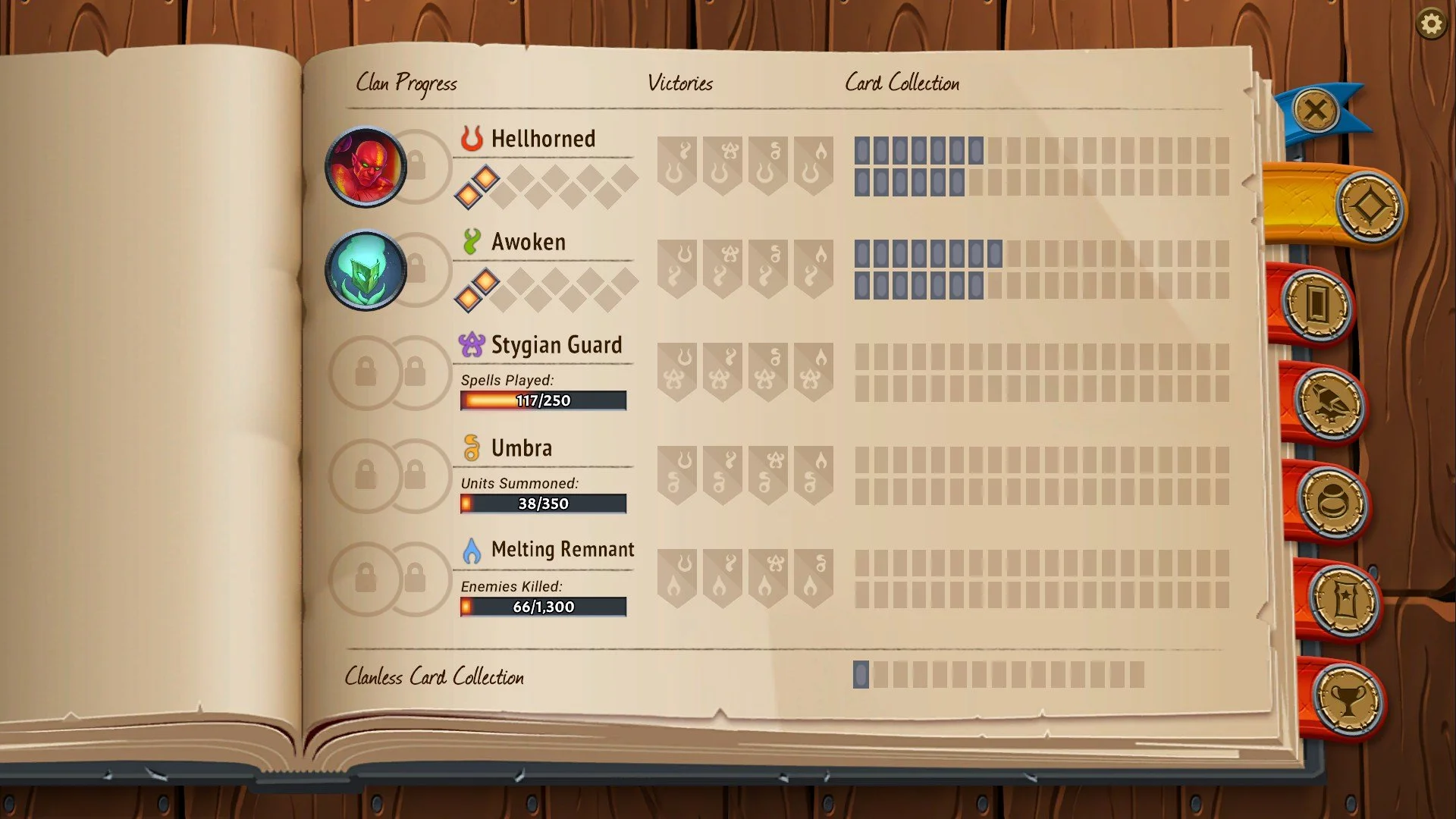
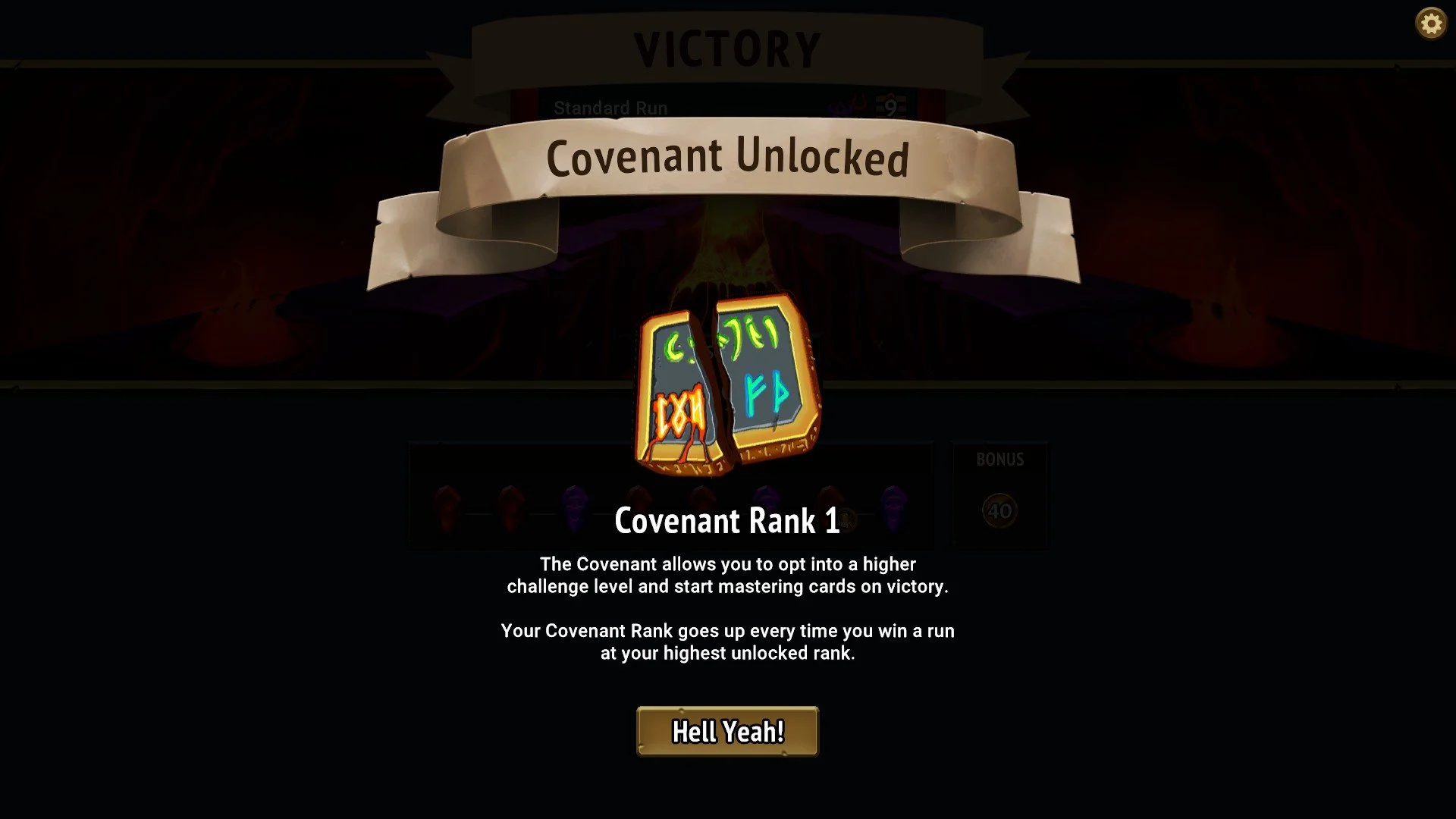
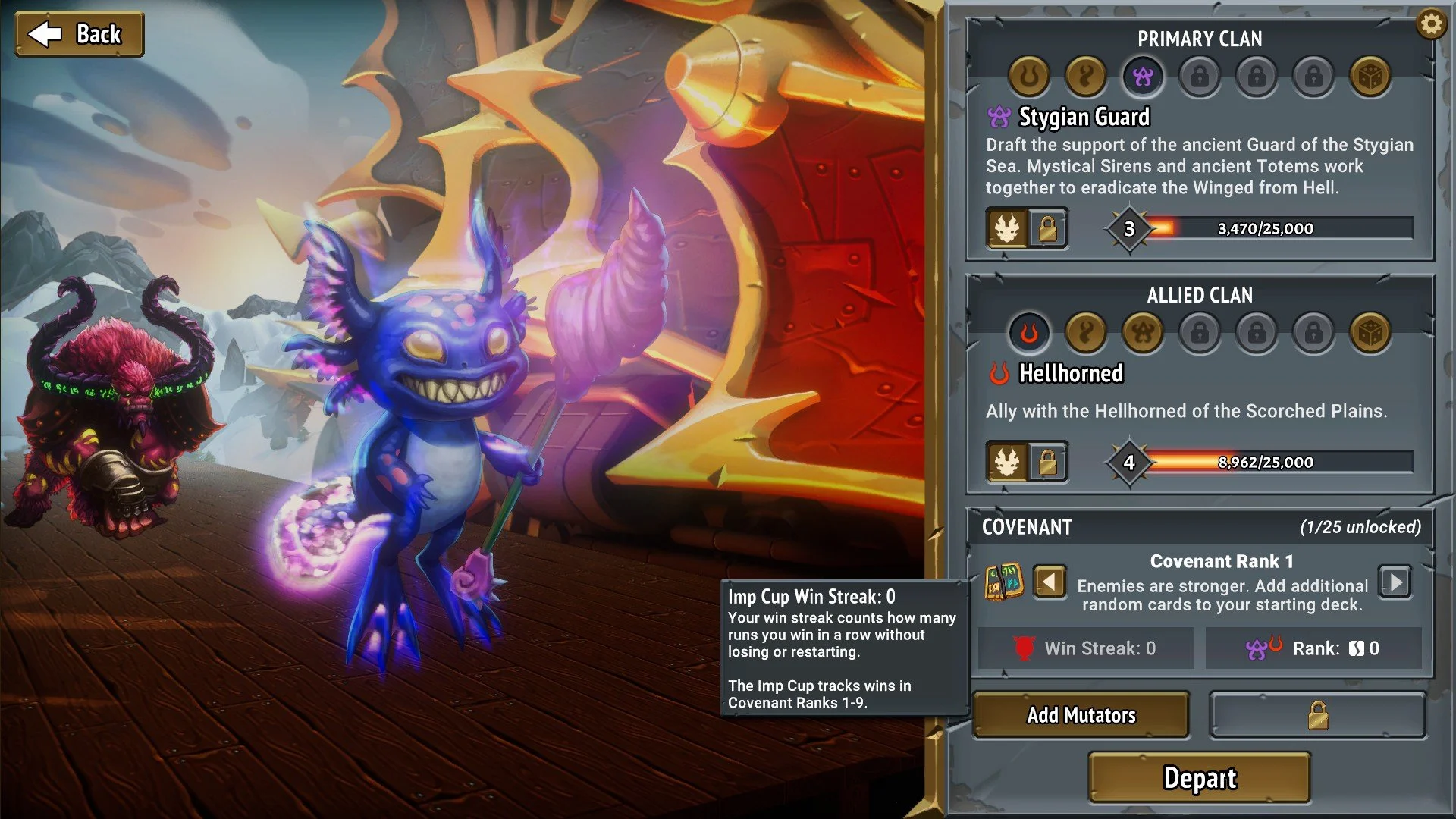
Unlocking and improving your factions by getting new cards and heroes is the meta-progression layer on top of the whole game, with “Covenants”, which allow you to fight progressively more difficult battles in order to keep the game challenging and provide you with more unlockables, and this goes up to 25. But as I’ve said earlier, once I got my win with the basic clan, with a very strong hero that just destroyed all enemies and strong defensive options in backup, I didn’t feel the pull at all to restart from scratch. It’s a bit silly because it’s not through any fault of the game - it does what it says on the tin - but I quickly lost interest at that point.
Ultimately that’s just me, Monster Train works really well and is really enjoyable to play and strategize around; especially if you know you already enjoy deckbuilding roguelikes! It does everything pretty well and I didn’t have any frustrations with the game, so that’s still a glowing endorsement in my book.